
Hypocolius
English Name: Hypocolius
Scientific Name: Hypocolius ampelinus
Arabic Name: سُوَيْدَاءٌ
Status in Kuwait: common winter visitor and rare breeder.
Highest daily count: 210 on 05/03/2019 at the outfall at KISR western side.
Distribution of Hypocolius
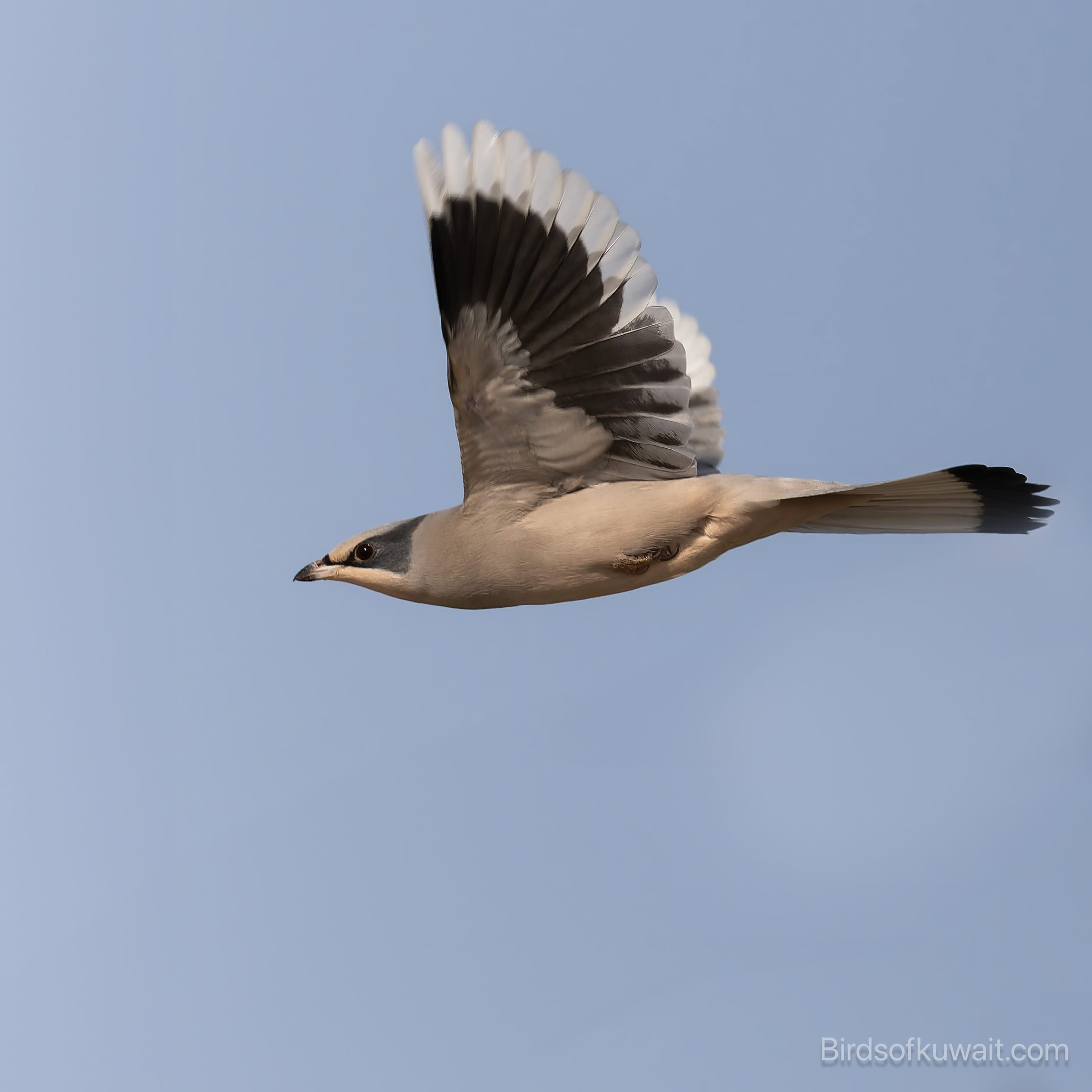
The Hypocolius is a common wintering and summer breeding visitor. It breeds in Abdaly Farms in good numbers. It also breeds in Iran, Kuwait, southern Iran, and southern Afghanistan. It winters in the Arabian desert up to the Red Sea and south up to Yemen border, along the Gulf from Kuwait to UAE.
Diet of Hypocolius
The Hypocolius diet is mainly fruits and seeds, sometimes young leaves and flowers of Lycium Shawii (my personal observation), but during the breeding season, also insects and beetles. In the deserts of Arabia, they mainly feed in groups on the berries of Lycium shawii and Zizyphus nummularia bushes. In cities and towns where there are date palm trees, they feed on dates that are left uncultivated, while on farms such in Abdaly, they feed on Zizyphus spina-christi, the cultivated form of the Zizyphus nummularia tree. In the evening they are noted to roost in large flocks, up to 200 were counted, on dense trees on farms and in parks, especially near the coasts. They are doing well at the moment, as of date palm trees are grown in Abdali and Wafra Farms on a vast stretch of land. while in towns and cities date palm trees are planted as ornamental trees along the roads, being uncultivated is a bonus for all fruit-loving bird species, that is the wintering Hypocolius and resident bulbuls.
When to see the Hypocolius:
The best to see the Hypocolius in Kuwait from November to March although can be seen in April but it becomes rare. It starts to breed and becomes hard to find. The best tour to see the Hypocolius is a scheduled winter tour.